
DARCARS Used Car & Service Center of Frederick

Blog / Frederick Service Center

Blog

All Frederick Service Center DARCARS Used Car & Service Center of Frederick Frederick Used Cars DARCARS Used Car & Service Center of Frederick Service Frederick Around Town Car Care Tips Frederick Toyota Dealer Frederick Toyota Service Restaurants Top Picks Used Kia For Sale Frederick, MD Used Luxury Car Frederick MD Brake Repair Frederick, MD Certified Pre-Owned SUVs Frederick, MD Driver's Test Tips Electric Vehicles Hiking Trails Frederick MD How to Sell Your Car Hybrid Cars Luxury Used Cars for Sale MD State Parks Frederick, MD Transmission Repair Used Chevrolet Vehicles Frederick MD
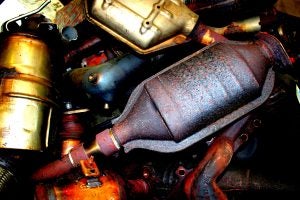
Catalytic Converter | Frederick, MD

Is It Time to Replace Your Catalytic Converter?

A catalytic converter has been attached to every vehicle manufactured in the U.S. since 1975. They're designed and engineered to reduce pollution by converting dangerous chemicals into less harmful ones. Over time, your converter can get blocked or damaged, and you'll need a replacement. These are some of the signs that your converter has a problem. Signs You Need a New Catalytic Converter Sulfur Smell The strong rotten egg smell of sulfur is a sign that your converter is failing. Hydrogen sulfide is a byproduct of combustion. The sulfide and other chemicals are dumped into the exhaust system by the cylinders. In the cylinders, hydrogen sulfide is converted into harmless sulfur dioxide by combining heat, pressure, and chemical reactions.   The excessive amount of sulfur is caused by a high fuel-air mix in your engine. A high fuel-air mix in the engine means that most fuel won't burn. Unburnt fuel will be forced into the exhaust system, where it can damage the converter. A damaged converter won't be able to convert the hydrogen sulfide, which you'll smell as it seeps from the exhaust. more Check Engine Light The check engine light on your dash is connected to a multitude of sensors. These sensors are attached throughout your car and monitor components for signs of problems or failures. If a problem is detected, the check engine light will respond. Several problems with the converter can cause this light to come on.   If the converter becomes blocked due to carbon buildup, the engine gas that should flow out of the exhaust will be drawn back into the engine. In the engine, these gases will create a wasteful high fuel-air mix. Sensors will register the decreased amount of oxygen in your engine and the increased amount of fuel. The backflow of gases also raises the heat and pressure in your engine, which will also register. The Converter Is Blue You can examine the converter to get an idea of its condition. Most of the converter isn't visible, but you'll be able to check its color. If the converter is blue, it has been subjected to excessively high temperatures and is damaged. A blocked air filter or a bad oxygen sensor can lead to a fuel-rich environment in your engine.   As we've seen, much of the engine's fuel doesn't burn in a fuel-rich environment. The hot, unburnt fuel is dumped into the converter. The heat in the converter can cause the unburnt fuel to burn, creating additional damage to the converter.   If you're having problems with your converter, see us at DARCARS Used Car & Service Center of Frederick.
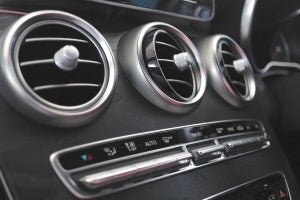
Vehicle AC | Frederick MD

Car AC Not Working? Get It Repaired at Your Trusted DARCARS Used Car Dealer

The idea of cold air filling the cabin will be fantastic when the temperatures rise on a sweltering summer's day. Your car AC not working under these circumstances can be a big issue. In Frederick, MD, we can help you if your AC isn't working as it should. These are some of the signs that your AC needs to be repaired. Car AC Not Working? Your DARCARS Used Car Dealer Can Repair It No Cold Air Your AC should provide cold air whenever you switch it on. If you only get outside temperature air blowing through the vent, your AC isn't working correctly. The AC depends on refrigerant to reduce even the hottest air to pleasantly cold air. The lack of cold air is due to a lack of refrigerant, which means there's a leak somewhere in the AC system.   Refrigerant can leak from damaged hoses, a loose connection, a damaged compressor, or a hole in the condenser. The hole doesn't have to be significant, and refrigerant will rapidly escape, especially if it's in gaseous form. Unlike oil, coolant, or other leaks, refrigerant evaporates when exposed to air. Cool Not Cold Air Your AC isn't a fan. When you turn it on, you want cold, not cool air. As we saw above, a lack of refrigerant means your AC system will only provide air at the same temperature as the outside world. If your AC blows cool air, your system may lack refrigerant. As the level of refrigerant in the system drops, the pressure in the system drops, and the air will warm up. more This problem could also be caused by damage to the condenser or the clutch switch. A failed clutch switch means the air compressor isn't working, and the refrigerant can't be converted into gas. This lack of conversion means your AC won't produce cold air. If your condenser has failed, the refrigerant gas won't be converted back into a liquid and lose the heat it's absorbed. Water on the Floor A wet carpet on the passenger side of your car can mean you have a damaged AC system. If your AC hasn't been used for a while, some water may be left in the AC's evaporator coil. This water forms a breeding ground for bacteria. The bacteria will multiply and create a film that blocks the drain line.   A blocked drain line means water from condensation will fill up the heater box and drip onto the carpet on the passenger side. When we clean the drain line, that will fix the problem.   If your AC isn't working, call us today at DARCARS Used Car & Service Center of Frederick or schedule an online appointment and have your AC working in no time!

Cars parked on the side of a street | Frederick, MD

Driving in MD: Five Keys to Stress-Free Parallel Parking

If you live in Frederick, MD, you know the importance of learning how and being willing to parallel park when necessary, but that doesn't make the process any less intimidating. Parallel parking can be stressful, but it doesn't have to be. When you take your time, employ the proper techniques, and practice, you'll become an expert before you know it. Driving in Frederick, MD: Five Keys to Stress-Free Parallel Parking 1.    Find the Right Spot It's harder to parallel park when trying to fit in a spot that's too small for your vehicle. Take extra time to drive the area until you find a large enough spot to fit your car, with enough space for you to feel comfortable parking. Doing so will make all the difference in your confidence in the process and your successful ability to park. 2.    Take Your Time Once you find the right spot, take your time. Don't rush it. Slowly maneuver your vehicle in the necessary direction to parallel park. Don't feel concerned about oncoming traffic or cars that have to wait for you to park because rushing will only compromise the quality of the parking job. Other vehicles can wait, so focus on what you're doing, and do it right. more 3.    Adjust as Needed Adjust as needed as soon as you maneuver your vehicle into the correct spot. Make sure that you give yourself enough space to leave the spot when you return to your vehicle and that any cars in front and behind you have enough room to back up or move forward to leave if necessary. 4.    Use Your Body and Your Mirrors Some people rely on their mirrors to parallel park, but it's vital that you also use your body. Physically turn around to look behind you out your back window over your shoulder to ensure your vehicle moves into the correct location. If you have a backup camera, this will give you an extra line of vision and enable you to park with ease. 5.    Choose a Car That Will Do It for You You may still feel uncomfortable even after taking the necessary time to learn how to parallel park. If that's the case, you can solve the problem by investing in a vehicle to do the parking for you. Many vehicles are equipped with park assist, which enables you to sit back while the vehicle does the work. The car will park itself, and you won't have to worry about anything.   It will be a perfect parallel park job every time. The 2018 Land Rover Range Rover Velar has a park assist, including 360 parallel and perpendicular parking and automatic parking sensors.   We have plenty of options if you're looking for a parallel park vehicle, so you don't have to. Our experts can provide several cars with high-tech features that will take the guesswork out of the parking experience. Visit us today at DARCARS Used Car & Service Center of Frederick to test drive one of our self-parking vehicles for yourself.

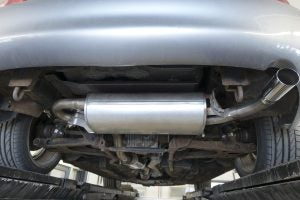
Car Muffler | Frederick, MD

Does Your Car Need a New Muffler?

Do you suspect muffler problems on your ride? Read on to find telltale signs that you might need a new muffler. Symptoms of a Bad Muffler The muffler is an integral part of your auto's exhaust system. It helps funnel gas from the engine and reduces (or muffles) the loud sounds your system would otherwise make. Due to its location on the vehicle's underside, the muffler is vulnerable to bad road conditions such as potholes and excessive salt.   Some un-recommended customization to this area can also cause problems, such as holes or clogging. In addition, old age can facilitate rusting and corrosion to the muffler. Most mufflers do not have a life span that exceeds seven years. If any of these circumstances apply to your vehicle, you may have a broken or otherwise damaged muffler. The following effects may alert you to a potential issue that needs fixing. Loud Noises A malfunctioning muffler will lead to significantly increased noise from the exhaust system. This effect occurs because waste gas causes vibrations as the engine expels it. The muffler silences these vibrations, but when damaged, the gas will leak from it before noise suppression can occur. The noise may sound like thumping or clinking. more Further, mufflers that become dislodged may make a rattling or banging noise. These excessive noises can cause annoyance and distraction. In some regions, the resulting noise pollution is even against the law. Fume Discoloration When any part of the exhaust system malfunctions, including the muffler, the exhaust fumes will likely take on a darker, dirtier color. These fumes are usually clear and unnoticeable. The smoke emitting from the underside of your vehicle will appear thicker too, and you may notice increased condensation on the exhaust pipes. Engine Problems The odds are good that your Check Engine indicator on your dashboard will light up when your muffler is on the fritz. Gas that cannot leave the engine properly may build up within it and damage this critical component of your car. For one, the engine may misfire frequently and sound rough when idling. You also may experience sluggish acceleration.   When the engine is not performing up to par, fuel economy often likewise suffers. You may find yourself needing to take more frequent trips for a fill-up. For reliable performance and economy, you can count on the Ford Edge that is equipped with a trademark EcoBoost engine that'll deliver you enhanced fuel efficiency, cleaner emissions, efficient acceleration, and turbocharged power. Strange Smells Aside from the foul odors from the dirty exhaust, you may notice a burning smell. This effect occurs when a piece known as the exhaust gasket causes burning to nearby plastics or wires. Why a New Muffler is Important A failing muffler can have several possible detrimental and even dangerous effects. As mentioned, your engine may suffer, leading to a hefty repair bill. You may need to pay more for gas, which is burdensome, especially in challenging economic times. Your vehicle also may not be road legal. And worst of all, the potential for accidents or destructive gas leaks, such as carbon monoxide, could put your life at risk.   For all these reasons, you should never delay seeking aid from qualified professionals who can complete the job with competence and efficiency.   Put your muffler mishaps, and other maintenance and installation needs in trusted hands. Contact DARCARS Used Car & Service Center of Frederick and consult with our auto experts today.

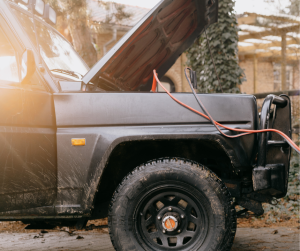
Jumper cables attached to car | Frederick, MD

5 Items to Keep in Your Car Emergency Kit

Being prepared for anything when you're a driver is always important. An emergency can happen even with the best vehicle maintained to the highest level. While we hope this never happens to you, we'd advise you to keep a car emergency kit in your trunk should you need it. We've listed a variety of items that will help deal with many different situations that may occur. Jumper Cables A car battery can potentially let you down, and you'll need jumper cables to be on the move again. There are a wide variety of cables available, but we recommend choosing a high-quality set of heavy-duty cables. Good quality cables may seem expensive, but they won't let you down when needed. We also recommend choosing 16' cables, as these will even allow you to get a charge from a vehicle parked behind you. Flashlight Emergencies can happen anytime, and a flashlight is essential to help you see in the dark. You may be in a rural area with poor lighting, or you might need to see something up close, and this additional light source will be of immense help. We advise choosing a good quality LED flashlight, as it will last a long time, and you don't have to worry about replacing a blown bulb. more Water Water is essential, and you may have to wait for a tow or other assistance. If this happens in hot weather, you'll start to get thirsty. To be safe, we recommend storing at least a gallon of water. A sealed water container will last at least six months or even longer. The water will get warm in your trunk, but it will still quench your thirst and refresh you. Fire Extinguisher We hope you'll never be faced with a fire, but if you are, a small fire extinguisher is essential. As with emergency supplies, it's better to have them available just in case. The three types of fire you could encounter are: Class A - ordinary combustibles like plastic and cloth Class B - flammable liquids like gasoline and oil Class C - electrical fires We recommend a small class ABC extinguisher as it will effectively prevent any possible fires in your car. Spare Tire Many drivers, unfortunately, don't pay much attention to their spare tires. Your spare tire must be checked regularly, as it can lose air. This doesn't mean it leaks, but your tire pressure will equalize the air pressure outside. If you need to change a tire, it's essential to know that it's always in perfect condition.   Many other items can be included in an emergency kit, including tire sealant, a multitool, and emergency food. If you'd like more advice on additional emergency kits or to check out our excellent range of used vehicles, come in and see us at DARCARS Used Car & Service Center of Frederick.

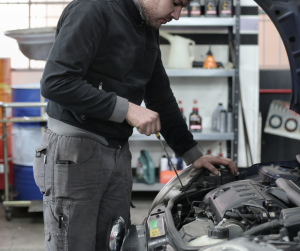
Photo of Man Inspecting Car Engine | Frederick, MD

Advice From the Dealership With the Best Used Cars: 6 Possible Causes of an Engine Leak

If you see a puddle of oil on the ground under your car, don't ignore it. An engine leak is a serious issue that must be fixed by a qualified technician ASAP before it causes damage to your vehicle's engine. DARCARS Used Car and Service Center of Frederick, which sells the best-used cars in town and offers expert maintenance and repair services, provides a list of six possible causes of engine oil leaks. A Dirty, Clogged, or Worn Oil Filter Over time oil filters get dirty and clogged with dirt and debris and wear out. An oil filter that is dirty and clogged can't work correctly and could cause oil to leak out. Your vehicle's oil filter must be replaced every time the oil is changed to filter harmful contaminants out of the oil to prevent damage to the engine. Replace the oil and filter at the factory-recommended intervals to avoid unnecessary contamination and leaks. A Misaligned Oil Filter Another issue that could cause an oil leak is a misaligned oil filter. When the oil filter is replaced, it must be fitted correctly. If the filter is loose, misaligned, or improperly done, it will cause an oil leak. Ask a qualified technician to check and replace the oil filter to solve the problem. more A Loose or Broken Filler Cap When the filler cap is loose or broken, it will cause an oil leak. The oil will not drip but spill out when your car is running due to the engine's pressure. You will see puddles of oil on the ground directly under the engine. Check the filler cap, and if it's loose, won't stay in place, or you notice that it's damaged, replace the filler cap with a new one. A Broken Gasket Gaskets are an essential vehicle component and must always be kept in good condition. Broken gaskets are a common cause of oil leaks. Leaks in the seals of the gasket are due to an increase of pressure caused by sludge buildup from engine oil and prolonged exposure to high temperatures. Ask a qualified technician to repair the problem ASAP to avoid extensive engine repairs. Oil Pan Damage Damage to the underside of your car can cause oil leaks. Driving your vehicle too fast over speed bumps or on rough roads full of stones could dent the oil pan or damage the seal. When a rock hits the oil pan hard enough, it could make a hole, causing an engine oil leak. A Misaligned Oil Drain Plug If a rock or debris hits the oil pan hard enough, it could misalign the oil drain plug. Leaks could also come from a loose oil drain plug or one with worn threads. If the leak is from the plug, you will notice fresh oil on the side and around the oil drain plug.   If you notice engine oil leaks, act fast and get repairs from a professional technician as soon as possible to prevent further damage and expensive repairs. Visit DARCARS Used Car and Service Center of Frederick today or schedule an appointment online and skip the lines! Our qualified and experienced technicians will expertly repair engine oil leaks and ensure your vehicle is in excellent running condition.

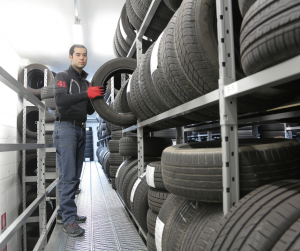
Man standing by tires | Frederick, MD

5 Signs Your Car Is Due for New Tires

While maintaining their cars, many drivers forget to pay close attention to their tires. But it's dangerous to do so, as too much reduction in tire grip can cause a loss of control and skidding. Other unnoticed damage to the rubber may even lead to blowouts. To avoid such risks, let's look at 5 good indicators that your car might need new tires. Diminished Tread Depth The key to a tire's ability to firmly grip asphalt and tarmac is the depth of its tread. This means the depth of the gaps between the tread lugs will usually be around 10/32 to 11/32 of an inch when your tire is brand new. This tread depth naturally wears down over time, at a slower or faster pace depending on your driving style, the quality of your roads, and how well you're inflating your tires.   The minimum legal tread depth is 2/32 of an inch, but it's generally recommended that you replace your tires long before they wear that thin. With icy road surfaces, you shouldn't be going under 5/32 of an inch in the winter months. Check out your tread depths today to see if they still have a decent depth for safe driving. more Cuts, Bubbles, or Blisters Tires can get damaged in various ways, such as scraping against a curb or bumping over a pothole. This damage shows up as cuts, blisters, or bubbling in the rubber. Sometimes you'll even see the cording under the rubber when a cut is really deep. If you notice any such damage, then your tire might be at risk of blowing out while you're on the road, and it's time for a replacement. Steady Air Loss No matter your car's make, it's advisable to check your tire pressure at least once a month. This is because an over-inflated or under-inflated tire can lead to all the other problems mentioned in this article. Regular pressure checks will also alert you to any unexpected air loss over time. A steady loss of air might be a sign of hidden cracks, in which case you need to get the tire checked by a professional.   It's worth noting that very cold environments tend to cause tires to contract over time, as the air inside shrinks slightly. This might look like air loss. In contrast, driving on the scorching roads of a sweltering environment has the opposite effect, expanding the air inside. Cracked Tire Walls Given enough time, heat and any extreme weather conditions can also damage the rubber of your tires. Hot sunshine gradually evaporates the chemicals and liquids in the rubber, while intense UV rays tend to do additional harm. Constant fluctuations in temperature can cause the rubber to weaken even faster. This kind of structural damage may begin to show cracks or worn patches on the sidewalls of your tires: another sign that you might need replacements. Six Years Have Passed Even if you don't notice any of the above indicators of tire damage, you should still get them replaced once in a while, just to be safe. The NHTSA recommends you do so once every 6 years.   If you'd like a certified professional to look at your tires, visit DARCARS Used Car and Service Center of Frederick. We treat all our customers with the utmost care, respect, and attention to detail.

Transmission Service | Frederick, MD

What Happens During a Standard Transmission Service?

Many drivers know that it's the responsible thing to do to get the oil changed in the car, but not everyone knows that the transmission also has a fluid that needs to be changed and managed. That fluid is hugely vital to the car's ability to function and keep you safe and on the road. Getting a regular transmission service is the best way of making sure everything is in tip-top shape. What Does Your Transmission Do? The transmission is the powerhouse of your car, literally. This system makes sure that the correct amount of power is being transferred to the wheels to maintain your car's speed. Automatic cars don't need input from the driver, whereas vehicles with manual transmissions need the driver to shift gears as they move up and down in speed.   The system is similar to changing gears on a bicycle, just happening on a larger scale and with a few more moving parts. What Does Transmission Fluid Do? The fluid keeps all of the moving parts inside the transmission lubricated so that they're not damaged and create hydraulic pressure and keep the parts cool. This multi-function fluid should be a high priority for drivers, no matter the age of your vehicle. more Drivers can check the level and color of their transmission fluid themselves in some car models. It simply requires pulling the transmission dipstick (not to be confused with the oil dipstick) and seeing the levels of transmission fluid and the general health of the oil by examining its color. Brown or rusty colored transmission fluid signals that it might be time to head to the shop. What If I Can't Find It? Don't worry! Some cars have sealed engine compartments where there isn't a dipstick for a driver to pull out. In that case, a mechanic will need to check the transmission fluid through an access point housed within the transmission, and they'll likely perform these checks while your car is in the shop for other maintenance and let you know its status. What's Included in a Typical Transmission Service? About every 25,000 to 30,000 miles, the transmission fluid needs to be drained from the engine into a transmission pan, which is then removed and the fluid discarded. The mechanic can check for any damage to the transmission parts for regular wear and tear or acute damage to components.   If your car has a transmission filter, the mechanic can access the filter and clean or replace it. After the old fluid has been removed, the mechanic will select the correct fluid type and fill the fluid back up to appropriate levels to ensure that your engine is protected. The owner's manual for your car will tell you and the mechanic what type of transmission fluid your auto manufacturer has determined is the best quality for your vehicle. Can You Do It Yourself? Generally, it's not advised to attempt a transmission fluid change on your own unless you are a licensed mechanic. In some cases, a DIY transmission fluid change could void the warranty, and you risk damaging your engine by adding the incorrect type of fluid, as well as adding too much or too little fluid.   Drivers in the Frederick, Maryland area should bring their car to DARCARS Used Car & Service Center of Frederick to ensure that their vehicles are adequately taken care of and serviced appropriately.

Contact Us

Fill out this form below and we'll contact you shortly
*Required Fields