
DARCARS Used Car & Service Center of Frederick

Blog / Frederick Service Center

Blog

All Frederick Service Center DARCARS Used Car & Service Center of Frederick Frederick Used Cars DARCARS Used Car & Service Center of Frederick Service Frederick Around Town Car Care Tips Frederick Toyota Dealer Frederick Toyota Service Restaurants Top Picks Used Kia For Sale Frederick, MD Used Luxury Car Frederick MD Brake Repair Frederick, MD Certified Pre-Owned SUVs Frederick, MD Driver's Test Tips Electric Vehicles Hiking Trails Frederick MD How to Sell Your Car Hybrid Cars Luxury Used Cars for Sale MD State Parks Frederick, MD Transmission Repair Used Chevrolet Vehicles Frederick MD
Mechanic Inspecting Car | Frederick, MD |

How Often Should Maryland Drivers Check Their Car Emissions?

People drive 150 million miles every day in the Old Line State, according to the Maryland Department of Transportation (MDOT). To reduce air pollution associated with car emissions, vehicles registered in the county of Frederick, MD, must comply with Maryland's Vehicle Emissions Inspection Program (VEIP) and have their car tested every two (2) years. Where To Get Your Car Emissions Tested in Frederick, MD The MDOT Motor Vehicle Administration (MVA) has VEIP stations throughout the state. There is a dedicated VEIP location at 1506 Tilco Drive (Off Reichford Road) for vehicles registered in Frederick County. If you need other services from the MVA, such as driver's licenses and road tests, a full-service location at 1601 Bowman's Farm Road has a 24/7 VEIP self-service kiosk. more What Tests Will the VEIP Station Run? Gas Cap Test Vehicles with a model year between 1977 and 1995 weighing 8,501 and 26,000 pounds are required to pass a gas cap test. The car's gas cap is placed on a testing adapter for this test and then air pressurized to ensure it seals tightly. When the test is complete, the cap is returned to the vehicle. Onboard Diagnostic (OBD) Test If your car runs on gasoline, has the model year 1996 and newer, and is 8,500 pounds or less, it will need to pass the OBD test. For the OBD test, a scanner is plugged into your vehicle's onboard diagnostic system via a connection that is typically located under the dashboard. The system then checks if there are emissions control components that are faulty and causing vehicle emissions to exceed allowable limits. Heavy-duty vehicles with a model year 2008 or newer that weigh between 8,501 and 14,000 pounds also need to pass the OBD test. Tailpipe (Idle) Test Vehicles with the model year 1977 through 1995, run on gasoline and weigh between 8,501 and 26,000 pounds, will be given the tailpipe test. Sometimes called the "idle test," it analyzes emissions while the car's engine idles. If your vehicle has a model year of 2008 or newer, is classified as "heavy-duty," and weighs between 14,001 and 26,000 pounds, it will also need to take the tailpipe test. How to Prepare for the VEIP Test Before you take your vehicle into a VEIP station, there are a few things you can do to ensure the visit goes smoothly. First, make sure your car's oil and coolant levels are at the levels recommended by the manufacturer. Your car's tires should also be properly inflated. If you know that your car has to take the idle tailpipe test, plan on driving at normal highway speeds for at least 20 minutes before the test to warm the engine up. Upon arrival, leave the engine running until the inspector instructs you to turn it off. If you have any reservations about whether or not your car will pass its emissions inspection, contact DARCARS Used Car & Service Center of Frederick for an appointment today. Our team of professional technicians will make the necessary fixes and repairs, so you can be confident your car will pass the Maryland VEIP test.
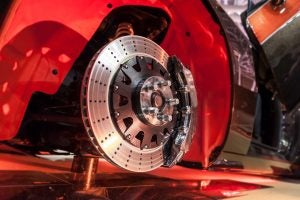
Close Up of Brakes | Frederick, MD

8 Signs It's Time for a Brake Repair

Brakes usually need to be replaced every 30,000 to 50,000 miles. This depends on your driving habits and the make and model of your car. The following signs will help warn you when your vehicle needs brake repair. 8 Signs It's Time for a Brake Repair at Your Trusted Dealer in Frederick 1.    Brake Warning Light Modern cars have a brake warning light and an Antilock Braking System (ABS) light on the dashboard that will light up when there is a brake system problem. The brake warning light will also be illuminated when your parking brake is engaged. If it is not, the light is a warning that there is a problem with the braking system. more 2.    A Squealing Sound Brake pads have a built-in piece of metal that will squeak when the pads are worn down. You will hear a high-pitched sound when that piece of metal comes into contact with the rotors. This is a warning that you need to get to a technician fast. If you ignore this warning sign, it will get worse and turn into a grinding noise. 3.    A Grinding Noise When you hear this noise, the brake pads are completely worn down to the bare metal. When you brake, the metal grinds against the steel brake rotor, causing the grinding noise. This will damage the rotors and will cost you more to fix than just replacing the brake pads. 4.    Unresponsive Brakes When you brake, and your car is slow to respond or takes long to come to a complete stop, your brakes are worn and likely need to be replaced. It could also mean that your vehicle is low on brake fluid. This could also be an indication of a brake fluid leak. 5.    There Is a Puddle Under Your Car Brake fluid is yellow in color, and when it gets dirty, it will change to brown. If you see a yellow or brownish-colored spot where your car was parked, it is probably leaking brake fluid. 6.    Your Car Pulls to the Side When your brake pads are unevenly worn, your car will pull to either the left or the right when you apply the brakes. This problem could also be caused by dirty brake fluid. Either way, let a technician replace the pads and flush and replace the brake fluid. 7.    Excessive Vibration Rotors press the brake pads against the wheel to stop your car. Brake rotors that get too hot or worn can warp and unevenly make contact with the brake pads. When you feel vibrations when you brake, it is usually a sign that the brake rotors are warped. 8.    Check Your Brake Pads for Wear Inspect the pads and look for signs of wear. You will be able to see the brake pads between the wheel spokes. If the brake pads are less than a quarter-inch thick, your car likely needs new pads. Driving with bad brakes is dangerous. If you recognize one or more of these signs, it's time to visit a service center and get a qualified technician to fix the problem. Visit DARCARS Used Car & Service Center of Frederick today. We have skilled technicians and quality parts to make sure you stay safe on the road.

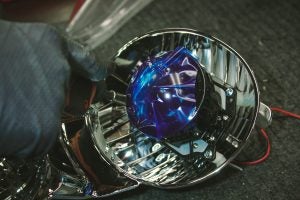
Close Up of Headlight | Frederick, MD

5 Reasons Not to Wait to Get a Headlight Replacement

Headlights are a critical part of a safe vehicle since both the vehicle's driver and oncoming drivers of other vehicles use headlights to see properly. If you have a headlight that has burned out or the pair is starting to get dim, you want to get them replaced as soon as possible. Headlight replacement is not a task you can afford to put off. Why You Shouldn’t Wait to Get a Headlight Replacement Dark Roads The most obvious reason you need to replace dim, flickering, or burned-out headlights is so you can see on dark roads. Streets that aren't illuminated by streetlights are dangerous if you don't have headlights to light them. You won't be able to see turns in the road until you're right on them, increasing your risk of driving off the road. You also won't be able to see objects, animals, or people on the road, which could cause a disaster. more Other Drivers Bright headlights aren't just for your convenience as you drive down dark roads. They're also an important part of allowing other drivers to see you from a distance. You want other drivers to know where you are on the street, so they won't run into you. This is especially critical if you're driving on a road with many curves because an oncoming vehicle will be able to see your headlights and avoid your vehicle even before you make the turn. Weather Rain, snow, and fog can affect your ability to see the street in front of you when you're driving because they cause a curtain-like barrier between you and the road. These weather conditions also make it hard for others to see you. Headlights not only cut through the weather conditions so you can see the road, but will make you more visible in the darker conditions, too. Even if just one headlight is out, you're increasing your risk of crashing. It's the Law In most states, you can get a traffic ticket if your headlights are not functioning properly. This is because it is a safety hazard both for you as the driver and for other drivers. Some states also make headlights mandatory when visibility is below a certain distance, which is usually between 200 feet to 500 feet. If your headlights are not working properly, you may be pulled over by a police officer and assessed a fine or be summoned to court. Alignment Your headlights can become misaligned just while you're driving, which means they can end up pointing off to the side or upwards instead of down at the road like they're supposed to. When you get your headlights replaced at an authorized service center, the technician will realign your headlights, so they are pointed in the correct place. This will ensure they aren't blinding other drivers and that you'll be better able to see the road where they're aimed. If you've noticed that your headlights have become dim or they are flickering, they may be ready to burn out. Rather than wait for that to happen, contact DARCARS Used Car & Service Center of Frederick today to schedule an appointment to replace them.

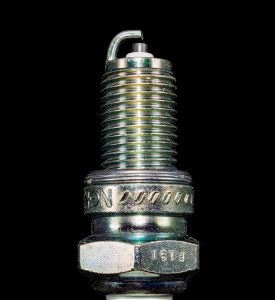
Spark Plug | Frederick, MD

Engine Misfiring? Here Are the Top 5 Possible Causes

Is your car's engine misfiring? A misfiring engine can indicate several different issues, but all have one thing in common: catching and fixing the problem early can save you both time and money in the long run. Read on to learn more about the top five possible causes of misfires, why they occur, tell-tale warning signs that indicate a problem, and recommended solutions for each issue. Have a Misfiring Engine? Learn the Top 5 Possible Causes Spark Plugs Worn or fouled spark plugs are one of the most common causes of engine misfires. These small but crucial components deliver the spark that ignites the fuel in your engine. If they're not working properly, your engine won't be firing on all cylinders. Warning signs of worn spark plugs include poor fuel economy, loss of power, and difficulty starting the engine. To fix this issue, check your spark plugs and replace them if they're worn or dirty. more Ignition Coils Another possible cause of an engine misfire is a bad or malfunctioning ignition coil. Ignition coils convert the low-voltage output of a car's battery into the high-voltage punch that fires your engine's spark plugs. A malfunctioning coil can cause a misfire in the cylinder it serves. Tell-tale signs of a bad coil are a rough idle, poor fuel economy, and a check engine light. Have a qualified mechanic take a look and replace the bad coil as necessary. Fuel Injectors A clogged or malfunctioning fuel injector can cause a misfire if it fails to deliver the proper fuel to one of your engine's cylinders. Here, warning signs include a rough-running engine at idle, poor mileage, and a "Check Engine" warning light. A qualified mechanic can easily test your fuel injectors and replace any if they’re clogged or malfunctioning. Vacuum Leaks A vacuum leak in the intake manifold gasket or a vacuum hose can also cause an engine misfire. This kind of leak causes what's known as a lean misfire, a situation in which there's too much air and too little fuel in your car's air-fuel mixture. Watch for reduced gas mileage, rough idling, and a dashboard warning light if you have a vacuum leak. A qualified mechanic has the tools to diagnose, locate and fix the problem. Mass Airflow Sensor The mass airflow sensor (MAF) measures the air entering the engine. Your car's Electronic Control Unit, or ECU, uses the info to optimize the engine's air-fuel mix. A dirty or faulty MAF causes a mix that's either too rich or too lean, and that causes a misfire. Engines with a MAF problem will get poor mileage, run rough (or not at all), and trigger the check engine light. Have a qualified mechanic clean or replace the MAF. It's important to catch and fix the cause of a misfiring engine ASAP. If you're experiencing any of the warning signs outlined here, visit DARCARS Used Car & Service Center of Frederick. Image by Josch13 from Pixabay

Man with clipboard inspecting car | Frederick, MD

How Long Has It Been Since Your Car's Last Safety Inspection?

To prevent problems and breakdowns, you should regularly get your car serviced by a professional mechanic. Most vehicles need a safety inspection at least once a year, but it all depends on your make and model. Today, we'll look closely at when you need to come to the dealership for a car inspection and what happens during the appointment. How Long Has It Been Since Your Car's Last Safety Inspection? Most cars have a handbook that tells you how often they must be serviced. Check your vehicle's manual to determine how many miles you can drive between service appointments. Most cars need to be seen approximately once a year, but you'll likely have to come to the dealership more often if your car is very old or if you frequently drive long distances.   You might also need to have your vehicle inspected if it isn't working as well as before. A strange smell or sound, a change in the way the brakes feel, or steering problems could indicate a safety issue that needs to be addressed. Don't hesitate to contact your used car dealership and book an appointment. more What Happens During a Car Inspection? A simple inspection can be completed within an hour or two, so you can wait at the dealership while we work on your car. It's best to come in on a quiet day, for example, in the middle of the week, because it's likely that the mechanics will be able to start right away. We might be quite busy if you visit us on Friday or Saturday.   The mechanics will inspect each element of your car to ensure everything is still working well. They will pay special attention to the brakes, the motor, and the steering, since these can affect the safety of your vehicle, and they will change your fluids and filters if necessary. Additionally, they might take your car on a quick test ride to see whether everything is in working order. Why Should I Go to My Local Dealership? All our employees are friendly and helpful at DARCARS Used Car and Service Center of Frederick, so you shouldn’t have any trouble finding what you're looking for. We have a lot of experience with all mainstream brands so that you can bring any used car to us for a service appointment. What's more, we are open from 7am to 8pm every weekday and from 8am to 4pm on Saturdays. Even if you have a busy schedule, you should be able to find a slot that suits you.   Having your car inspected is important because it helps prevent safety issues and breakdowns. Your local dealership is the best place to go, where you'll find talented and friendly mechanics. Call us at DARCARS Used Car & Service Center of Frederick to learn more about our service center or to speak to a salesperson about our great range of used cars.

Mechanic changing car battery | Frederick, MD

Is Your Car Having Electrical Problems?

If your car is having electrical issues, you're not alone. Many people experience electrical issues with their vehicles at some point or another. Below, we'll take a look at some common car electrical problems and signs you should take your car to your local dealership. Is Your Car Having Electrical Problems? Dead Battery One of the most common car electrical issues is a dead battery. This can be caused by leaving your lights on for too long, frequently starting and stopping your car, or simply having an old battery that needs to be replaced.   If you find yourself with a dead battery, the best thing to do is to call a tow truck to take you to your local dealership. They can help you jump-start your car or diagnose if you need a new battery. more Alternator Problems If your battery dies frequently or your lights are dimming while you're driving, it could be a sign that you have alternator problems. The alternator is what charges the battery, so if it's not working correctly, your battery will only stay charged for a short time. If you have alternator problems, take your car to your local dealership so a technician can run some tests. Bad or Loose Wiring Loose wires are another typical car electrical problem. If you have loose wires in your engine, it could cause all sorts of issues like engine misfires, stalling, and decreased fuel efficiency. If you suspect you have loose wires in your engine, contact your car dealer for the next steps. Bad Fuses Fuses are designed to protect your vehicle's electrical system from overloads by breaking the circuit when too much current is flowing through them. If a fuse blows, it's usually because there's too much current flowing through the circuit. To fix this problem, you'll need to replace the blown fuse with a new one that can handle the same amount of current. Your local dealership can help you with this quick fix. Broken Connections Broken connections are another common car electrical problem. When wires are broken that connect to battery terminals and other electrical connections, it can prevent electrons from flowing properly, which can lead to all sorts of electrical issues.   Electrical issues are common but, in most cases, are easily fixed by an expert technician. It's always best to take your car to a professional so they can take a look and diagnose the issue correctly. Contact us at DARCARS Used Car & Service Center of Frederick today to schedule an appointment to get your car inspected by one of our expert technicians.

Close up of Mechanics | Frederick, MD

5 Possible Reasons Your Engine Warning Light Is Turning On

If the engine warning light on your dashboard lights up, it's never a good sign. But don't panic just yet! There are a few possible reasons why this may happen, and some are relatively easy (and inexpensive) to fix. Read on for more information! 1.    Loose Gas Cap Many people are surprised that a loose or damaged gas cap can cause your check engine light to come on. The cap is responsible for sealing the fuel system and keeping gasoline fumes from escaping. A loose cap will cause your car to run less efficiently and may trigger that dashboard warning. Fortunately, this problem has an easy fix - simply tighten the gas cap until it clicks! 2.    Faulty Oxygen Sensor Another possible reason for a check engine light is a faulty oxygen sensor. This sensor monitors and reports the O2 levels in the exhaust system. A faulty O2 sensor can cause the engine to run lean (not enough gas and too much air) or rich (too much gas and not enough air). Either alternative can damage the engine over time. To fix a faulty oxygen sensor, have your mechanic replace it with a new one. more 3.    Malfunctioning Mass Air Flow Sensor The mass air flow sensor measures the amount of air flowing into the engine so that the computer can adjust the fuel mixture accordingly. A faulty sensor can cause problems like reduced fuel economy, increased emissions, and stalling. Again, a mechanic can test whether or not the mass air flow sensor needs to be replaced. 4.    Bad Spark Plugs Spark plugs ignite the air-fuel mixture in your engine. If they're worn out or fouled, they can cause your engine to misfire and trip the check engine light. Replacing spark plugs is a relatively easy DIY fix if you're mechanically inclined, but if you don't know what you're doing, don't risk it. Get help from a professional mechanic. 5.    Faulty Catalytic Converter The catalytic converter reduces harmful emissions from the engine before they exit through the exhaust system. Besides tripping the check engine light, a bad converter can cause an increase in emissions as well as reduce fuel economy and power. A mechanic can check if the converter needs to be replaced or if there's another underlying problem.   If your check engine light comes on, don't blow a gasket! There are several possible causes, some of which are relatively easy (and inexpensive) to fix yourself. However, if you're unsure about what's going on or the light won't go off, it's always best to diagnose your problem and fix it at a reputable service center. Head on over to DARCARS Used Car & Service Center of Frederick today!

Close Up of Spark Plug | Frederick, MD

How Often Should You Replace Your Spark Plugs?

The spark plugs in your car are one of the essential parts of your engine. They're what ignite the fuel that turns into energy for your vehicle, and they can only do their job when they're in good condition. Check Engine Light If you keep getting warnings from your dashboard that something is wrong with your engine, this may be a sign that you need to replace a spark plug. Worn plugs can trigger the check engine light. Engine Misfires If your car's engine is misfiring or missing, it could indicate that a spark plug has failed. Several issues can cause a misfiring engine, but a failing spark plug is one of the most common culprits.   Misfiring stresses the catalytic converter and can lead to more severe problems down the road. A misfiring engine may cause rough idling and an increase in vehicle emissions. more Reduced Fuel Economy Are you noticing your car using more gas than usual? It's not uncommon for drivers to catch their cars using more gas as they age, but if you're seeing a sudden increase in fuel consumption, there may be a reason for it.   The spark plug has an average lifespan of about 100,000 miles and is responsible for igniting the fuel mixture in your engine. When these plugs start to wear out, they can cause a reduction in performance and increase fuel consumption. Trouble Accelerating A spark plug might be worn out if you're having trouble accelerating. These plugs create the spark that ignites the fuel in your car's engine. They do a great job of firing up your cylinders and getting your vehicle moving when they're working correctly. But if your plugs aren't working well, you can experience problems like sluggish acceleration, poor gas mileage, and even engine trouble. Problems Starting the Car Difficulty starting your car is another sign of potential spark plug problems. If your plugs are not firing correctly, your vehicle may struggle to create and stall out when you're driving.   The good news is that replacing a spark plug on most cars is fairly simple. We recommend bringing your vehicle into our service department for a check-up so we can take care of your spark plugs. Engine Noises Engine noises can be a good indicator that your plugs need replacement. For example, you might hear rattling or pinging sounds. A corroded spark plug usually causes rattling or pinging sounds. These noises often happen when you start the car and may continue while driving.   If you've noticed that your vehicle's performance has been lackluster and it's not as responsive as usual, schedule a service appointment with DARCARS Used Car & Service Center of Frederick. We'll inspect your car, identify the problem, and get you back on the road in no time!   Image by Cindy Jones from Pixabay

Close Up of Mechanic | Frederick, MD

5 Signs of a Faulty Ignition Coil to Keep an Eye On

Your car's ignition coil is a crucial component in its ignition system, as it converts the relatively small amount of power that your battery creates into a charge big enough to fire the cylinders of your engine. Because of its crucial position in your car's ignition system, a faulty ignition coil can cause various problems in your car. Here's a quick list of a few different signs that might point to trouble brewing in your car's ignition coils. Read on to find out more! 5 Signs of a Defective Ignition Coil 1.    A Loss of Power While Driving One of the first (and most dramatic) signs of a failing ignition coil is a sudden loss of power while driving your vehicle. You may experience this as your car feeling slower than usual when you put the pedal down or a sudden, jarring loss of acceleration. This is a definite sign that you should get your vehicle's ignition coils checked out! 2.    Hard Starts and a Stalling Car Ignition coils that are worn can prevent your vehicle from starting correctly when you try to turn it on, making it difficult to start the engine when you need to. This could also result in your vehicle stalling and turning off when you come to a stop. Definitely not an ideal thing to have to happen at rush hour! more 3.    Diminished Fuel Economy If your ignition system is not functioning effectively, you're going to notice that your vehicle's fuel economy will start to worsen. If you're noticing that your fuel economy is suddenly significantly worse than it has been, it's a good idea to have that checked out by a mechanic. 4.    A Backfiring Engine When your ignition coils are faulty, it can result in unused fuel ending up in the combustion cylinders. When that unused fuel explodes, it creates a loud "bang," known as a backfire. A consistently backfiring engine can damage your vehicle's combustion system, so best get this looked into! 5.    A Misfiring Engine Misfiring engines can be pretty alarming when you're not expecting them! A misfiring engine means that your cylinders are not firing correctly (or at all) when you accelerate, which can result in your vehicle losing power and permanent damage to your catalytic converter.   As you can see, a failing ignition coil can cause a multitude of frustrating and potentially dangerous symptoms in your car. If left unchecked, it can also lead to expensive damage to your engine and catalytic converter. If you're experiencing any of these signs or just want a routine inspection to ensure things are as they should be, come on and see our service team at DARCARS Used Car & Service Center of Frederick today!

Pouring Coolant in Car | Frederick, MD

Is Your Car Overheating? 8 Common Causes

Is your car overheating? There are many reasons why the temperature rapidly increases and causes your car to overheat. Some overheating issues require a quick fix, and others will need the attention of a qualified technician. Below are the most common causes of overheating. 1.    Cooling System Issues When your engine overheats, the cause is often a failing cooling system that draws heat away from the engine. Regular car maintenance is crucial to keep the cooling system properly working to prevent overheating and severe damage to your car. 2.    Low Coolant Levels If there's not enough coolant, your car will overheat. Check the coolant regularly and top it off to the manufacturer's recommended levels. It's also vital to replace the coolant at the recommended intervals because when it gets old, it won't effectively perform the task of cooling. You'll find the information, the proper method for refilling the coolant, and the recommended coolant replacement intervals in your owner's manual. more 3.    Leaking Coolant Puddles on the ground under your car and an empty coolant reservoir tank are ways to tell if your vehicle is leaking coolant. Coolant is green, orange, or blue, depending on the type, and has a sweet smell. 4.    Low Engine Oil Oil is a lubricant, but it also helps to control your engine's temperature by minimizing friction. If there is not enough oil in your car, the friction will increase, generating excessive heat that will damage your engine. 5.    A Failing Thermostat The thermostat regulates the coolant and keeps the engine at ideal temperatures. A broken or failing thermostat will cause irregular temperature fluctuations and overheating. 6.    A Broken Water Pump Your car's water pump circulates coolant throughout the cooling system. The coolant absorbs the heat, and the water pump circulates it through the hoses to the radiator, which extracts the heat before it flows back. If the coolant is old or dirty, or there's a leak, the coolant can't move freely through the system, and your car overheats. 7.    Radiator Problems The radiator pulls heat away from the engine and is a vital cooling system. If there's a problem with the radiator, your engine will overheat. Your radiator and fans reduce heat by lowering the temperature of the coolant. When the fans are not properly working, it reduces the radiator's capability to remove the heat, increasing the temperature. 8.    Cracked or Blocked Hoses and Worn or Frayed Belts Coolant hoses that are cracked, blocked, and leaking or frayed and worn belts prevent air and coolant from flowing to and from the engine and related systems. If the problem is not dealt with quickly, it may lead to severe engine damage.   When your engine overheats, it's a serious problem, and identifying the cause fast and repairing it will help prevent severe damage to your engine and other essential components. If your car is overheating, stop at DARCARS Used Car and Service Center of Frederick today, and we will expertly repair your car's cooling system problems.

Auto Service Mechanic | Frederick, MD

4 Car Engine Problems You Shouldn't Ignore

No matter what vehicle you drive, it needs an engine to keep running smoothly. Like most people, you depend on your vehicle to get you from place to place daily. If anything were to happen to your car, life would get tough. To ensure your vehicle is always in good working condition, there are some engine problems you shouldn't ignore. 1.    Stalling After you start your car, your engine is supposed to continue running. If it stalls while driving down the road, this can create a hazardous situation. Having your engine stop in the middle of the road leaves you vulnerable. Even a small hesitation could result in a big accident. 2.    Strange Sounds There are normal sounds that your engine is supposed to make, and then there are sounds that let you know there might be an issue. Knocking is one of those sounds you should be concerned about, as this could indicate an issue with your engine cylinders. more If you hear knocking, you need to get your car looked at immediately, but it's not the only sound you should worry about. A professional should look at any engine that doesn't sound right. 3.    Excessive Exhaust The amount and color of the exhaust that blows out of your car's back could indicate that you are having engine issues. If your car is blowing out black smoke, your engine is burning fuel. White smoke indicates that coolant is being burned, and blue lets you know that oil is burning.   Any excessive exhaust is cause for concern and shouldn't be ignored. A professional must examine your engine to ensure it continues to run optimally. 4.    Overheating If your engine is overheating regularly, this could be an indication that something is wrong with your cooling system. Ignoring this means that parts will get damaged, which could lead to complete engine failure.   In some cases, the first sign of overheating might be steam or smoke coming from your engine. If you see or smell this, getting your vehicle looked at as soon as possible will ensure further engine damage doesn't occur.   Your car is invaluable for getting you from one destination to the next. To ensure it takes care of you, you must keep it in good running condition. If you notice any engine issues, don't ignore them. Whether you need to get your car serviced or are looking to buy a vehicle, visit DARCARS Used Car & Service Center of Frederick today.

Speedometer | Frederick, MD

3 Tips for Dealing With Slow Drivers on Maryland Roads

If you've ever been driving in Maryland, you know that there are a lot of slow drivers on the road. This can be frustrating, especially when trying to get somewhere quickly. We will give you three tips for dealing with drivers on Frederick, MD, roads. Hopefully, these tips will help make your driving experience smoother! 3 Tips for Dealing With Slow Drivers on Frederick, MD Roads 1.    Stay Calm and Focused While Driving Getting angry at drivers slowly driving on the road won't solve the problem and may even worsen the situation. It's important to stay calm and focused while you're driving. This way, you'll be able to better deal with the driver in front of you.   If you start to feel angry, try taking deep breaths or listening to calming music. This will help you keep your cool and avoid road rage. It can be frustrating, but it's important to remember that they're just doing their best. Getting angry won't help the situation and could even make it worse. 2.    Change Lanes When Possible Changing lanes may be the best way to get around them if you're stuck behind a driver. This should help you avoid the driver and get to your destination faster. This is especially true if you're in a hurry and must get to your destination quickly. more When changing lanes, use your turn signal so that other drivers know what you're doing. Before making sudden lane changes, check your mirrors and blind spots. Changing lanes can be dangerous if not done properly, so take all necessary precautions before attempting this maneuver. 3.    Use Your Horn Sparingly Horns are meant to be used as a last resort, not as a way to express your anger or frustration. Using your horn too much could startle the driver in front of you and cause them to make a mistake.   If you need to use your horn: Make sure you do so sparingly. Only use it when necessary, such as if the driver is not paying attention and needs to be alerted to your presence. Be aware that some drivers may become agitated if they're honked at, so use this tactic with caution. It's always best to err on caution when dealing with other drivers on the road.   The Ford Explorer ST is a performance SUV built for Maryland drivers who desire a safe and comfortable ride. Its Ford Co-Pilot360 driver-assist features are designed to help you avoid potential hazards on the road, which can occur with any driver. Pay us a visit at DARCARS Used Car & Service Center of Frederick, and one of our friendly staff can help you find a car that fits your needs.

Contact Us

Fill out this form below and we'll contact you shortly
*Required Fields