

While maintaining their cars, many drivers forget to pay close attention to their tires. But it’s dangerous to do so, as too much reduction in tire grip can cause a loss of control and skidding. Other unnoticed damage to the rubber may even lead to blowouts. To avoid such risks, let’s look at 5 good indicators that your car might need new tires.
Diminished Tread Depth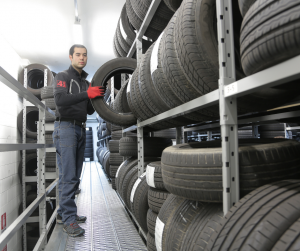
The key to a tire’s ability to firmly grip asphalt and tarmac is the depth of its tread. This means the depth of the gaps between the tread lugs will usually be around 10/32 to 11/32 of an inch when your tire is brand new. This tread depth naturally wears down over time, at a slower or faster pace depending on your driving style, the quality of your roads, and how well you’re inflating your tires.
The minimum legal tread depth is 2/32 of an inch, but it’s generally recommended that you replace your tires long before they wear that thin. With icy road surfaces, you shouldn’t be going under 5/32 of an inch in the winter months. Check out your tread depths today to see if they still have a decent depth for safe driving.
Cuts, Bubbles, or Blisters
Tires can get damaged in various ways, such as scraping against a curb or bumping over a pothole. This damage shows up as cuts, blisters, or bubbling in the rubber. Sometimes you’ll even see the cording under the rubber when a cut is really deep. If you notice any such damage, then your tire might be at risk of blowing out while you’re on the road, and it’s time for a replacement.
Steady Air Loss
No matter your car’s make, it’s advisable to check your tire pressure at least once a month. This is because an over-inflated or under-inflated tire can lead to all the other problems mentioned in this article. Regular pressure checks will also alert you to any unexpected air loss over time. A steady loss of air might be a sign of hidden cracks, in which case you need to get the tire checked by a professional.
It’s worth noting that very cold environments tend to cause tires to contract over time, as the air inside shrinks slightly. This might look like air loss. In contrast, driving on the scorching roads of a sweltering environment has the opposite effect, expanding the air inside.
Cracked Tire Walls
Given enough time, heat and any extreme weather conditions can also damage the rubber of your tires. Hot sunshine gradually evaporates the chemicals and liquids in the rubber, while intense UV rays tend to do additional harm. Constant fluctuations in temperature can cause the rubber to weaken even faster. This kind of structural damage may begin to show cracks or worn patches on the sidewalls of your tires: another sign that you might need replacements.
Six Years Have Passed
Even if you don’t notice any of the above indicators of tire damage, you should still get them replaced once in a while, just to be safe. The NHTSA recommends you do so once every 6 years.
If you’d like a certified professional to look at your tires, visit DARCARS Used Car and Service Center of Frederick. We treat all our customers with the utmost care, respect, and attention to detail.
Connect with us


